
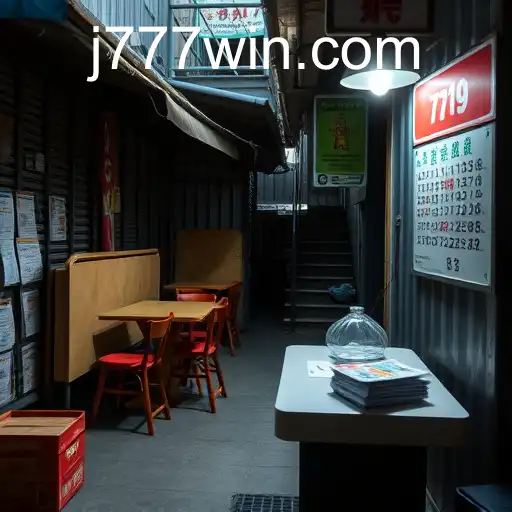
777win | Unraveling the Intricacies of Jueteng: A Perennial Challenge in the Philippines
777win’s An in-depth exploration of Jueteng, a traditional gambling game in the Philippines, examining its origins, socio-economic impact, and the challenges and potential of digital innovation like the 777win concept.
Unraveling the Intricacies of Jueteng: A Perennial Challenge in the Philippines
Jueteng is a century-old numbers game deeply embedded in the cultural fabric of the Philippines. It operates in the shadows, thriving in the alleys and backstreets of the nation’s urban and rural landscapes. Despite its illegal status, Jueteng continues to flourish, driven by various socio-economic factors and maintained by intricate networks of stakeholders. This article delves into the mechanics of Jueteng, exploring how it generates allure and challenges authorities, while also considering the role of digital advancements such as the "777win" concept in potentially transforming this gambling landscape.
A Historical Perspective on Jueteng
The origins of Jueteng can be traced back to colonial times, introduced to the Philippines by Chinese immigrants. It became particularly popular due to its simplicity and low entry cost, making it accessible to the masses. Over the years, Jueteng has evolved, adopting elements from other local games, yet its core structure has remained unchanged. Players choose numbers from a set of combinations, hoping their chosen sequence aligns with the numbers drawn through a mechanical or manual process.
The Mechanics of the Game
At the heart of Jueteng's popularity is its straightforward gameplay. Participants typically select two numbers between 1 and 37. The winning numbers are selected through a lottery-like draw, often held in clandestine locations to avoid scrutiny. The appeal lies in the low cost of participation, with minimum bets small enough to encourage widespread participation. Though rewards vary, potential winnings often entice players back for more.
The Socio-economic Impact
Jueteng's resilience is partly attributable to the socio-economic conditions prevalent in many parts of the Philippines. For individuals in lower-income brackets, the prospect of a windfall from Jueteng represents the allure of quick financial relief. Additionally, Jueteng has been known to create an informal economy, providing employment for thousands involved in different aspects of its operation—from the collectors, known as cobradors, to coordinators and financiers.
Challenges in Eradication
Attempts to eradicate Jueteng have been ongoing for decades, yet the game persists. Its persistence can be attributed to various factors, including corruption, where local officials might receive protection funds from Jueteng operators in exchange for overlooking its illegality. The clandestine nature of operations poses significant challenges to law enforcement, rendering traditional policing methods ineffective.
The Digital Shift: The "777win" Concept
In recent years, there has been discussion around leveraging technology to transform how traditional gambling like Jueteng operates. The concept of "777win" embodies this transformation by envisioning a digitized platform for similar betting games. While such a platform could offer benefits like enhanced security and regulatory compliance, it also presents new challenges, particularly regarding increased access and potential for addiction. Advocates suggest that a legalized and regulated digital framework could channel revenues into public coffers, reducing the negative impacts associated with its illicit status.
Political Ramifications
Jueteng has long been intertwined with the political scene in the Philippines. Its influence is such that politicians have been accused of leveraging the revenues generated from Jueteng to finance campaigns, while others take a stand against it as part of their political platform. This complex relationship complicates efforts to dismantle Jueteng networks, as the lines between allies and adversaries are continually blurred.
Cultural Acceptance and Debate
Despite its illegal status, Jueteng enjoys a degree of cultural acceptance, with many viewing it as a harmless pastime or a tradition forcefully thrust into the underground market by prohibitive laws. Debates continue over whether legalization could provide a pragmatic solution, allowing for regulation and taxation, similar to approaches adopted for lottery systems in other jurisdictions.
The Path Forward
The future of Jueteng lies in a tangled web of economic necessity, cultural tradition, and political maneuvering. Addressing this requires a multifaceted strategy that balances enforcement with socio-economic support structures. The idea of a "777win" evolution posits a potential path, yet it remains controversial, with arguments for and against such modernization fiercely debated across various sectors of society. Understanding Jueteng's entrenched role in Philippine society is essential for developing effective policies capable of addressing both its challenges and its unyielding allure.
